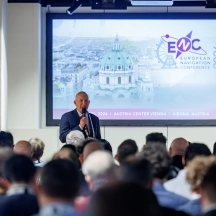
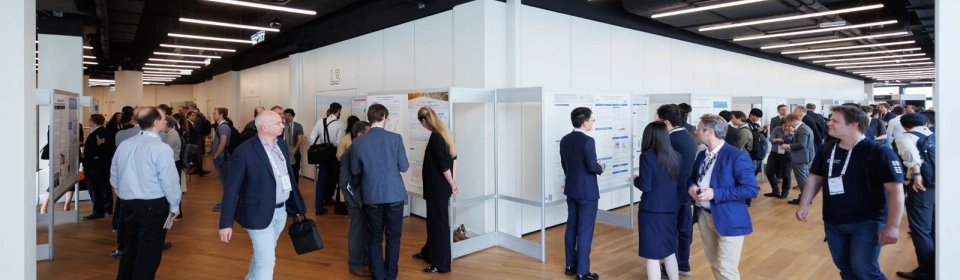
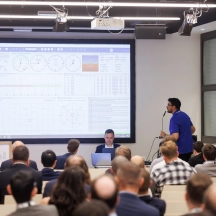
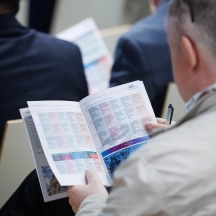
Following an advisory role during the 2025 edition in Wroclaw, Poland, the 2026 conference in Vienna marked a return to full organisational responsibility. The conference received a record number of abstract submissions. To accommodate as many high-quality presentations as possible, the programme was expanded to five parallel tracks. While this strengthened the scientific content and allowed more presenters to participate, it also introduced operational and financial challenges. An additional breakout room was required, resulting in extra costs within an already tight budget. At the same time, registrations came in more slowly than expected, which meant that budgets and planning had to be continuously adjusted. This combination of increased programme-related costs and uncertainty around final attendance figures required a flexible and careful approach from all parties involved. Despite these challenges, the team continued to adapt where needed, balancing the ambition of a strong and inclusive scientific programme with the financial responsibility required to keep the organisation of the conference on track, while still maintaining the agreed quality and participant experience. Sustainability was also clearly reflected in the catering concept, where organic and responsibly sourced products played an important role.
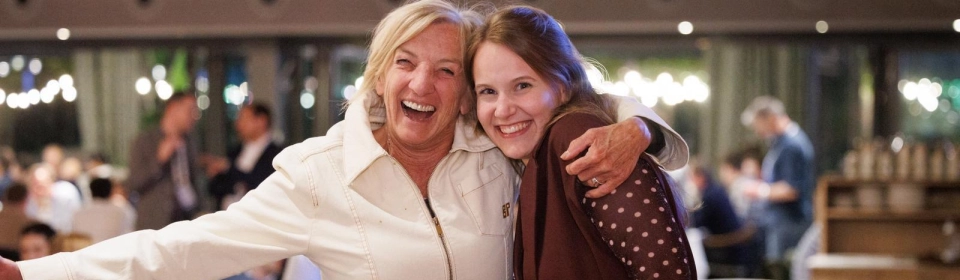
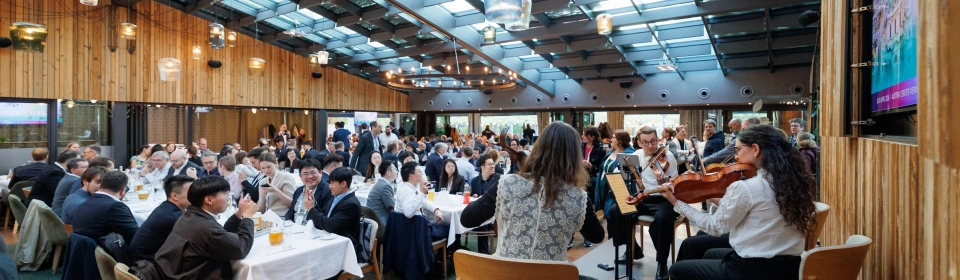
The programme was expanded with the Young Navigator Evening, an initiative focused on connecting young professionals, (PhD) students and recent graduates in the field. What started just a year ago as a small informal meeting has quickly grown into a full community. To support this growth, a dedicated session and networking reception were added to the conference, giving young professionals a space to meet and network. This added a fresh dynamic to the programme, with clear potential for further growth in future editions.