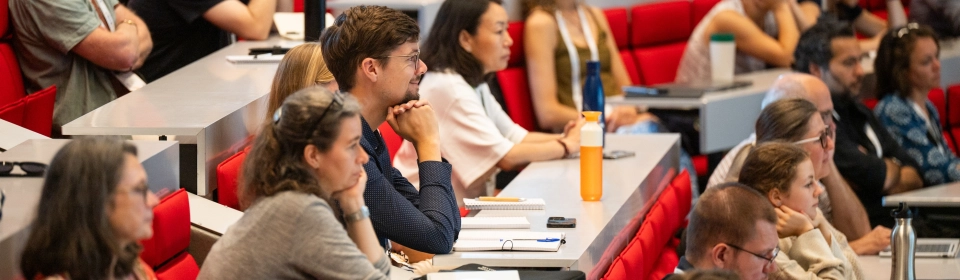
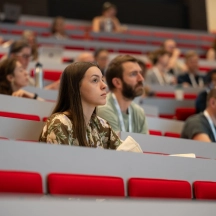
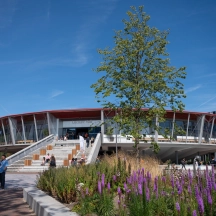
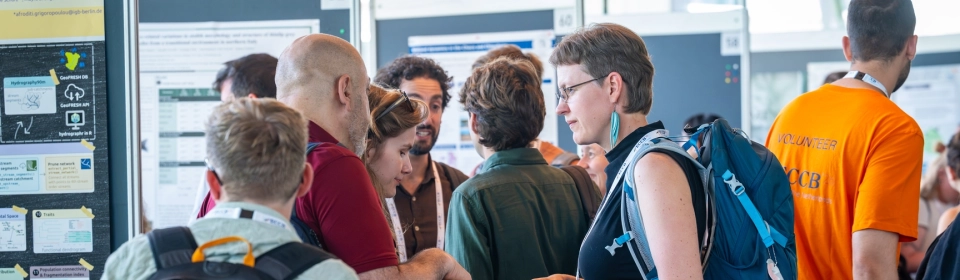
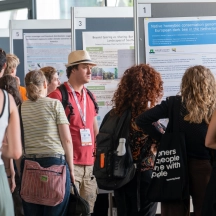
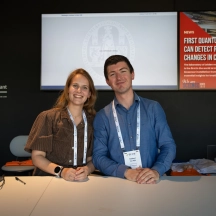
The 8th European Congress of Conservation Biology (ECCB 2026) brought together researchers, policymakers, practitioners and conservation organisations from across Europe in Leiden. The congress was organised by the European Region of the Society for Conservation Biology in partnership with Leiden University, Hortus Botanicus, NIOO-KNAW and Wageningen University & Research, with Congress by design serving as the Professional Congress Organiser (PCO). Together, the partners created the conditions for scientific exchange around a shared question: how can biodiversity be protected effectively for the long term? Over five days, the programme combined scientific sessions, workshops, training courses, round table discussions, field excursions and social activities, connecting research, policy and practice across disciplines and sectors.
850
Participants
Live
Form
5 days
Duration
Leiden
Location
By design
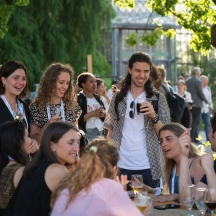
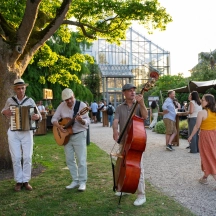
Early and detailed preparation helped define clear responsibilities for all involved parties. This ensured continuity with previous editions and allowed the team to focus on delivering a valuable participant experience. Digital solutions supported both efficiency and sustainability. The congress app served as the central communication platform, complemented by SlideCrew, onsite badge printing and digital signage. Together, these tools streamlined communication and reduced the need for printed materials. Sustainability was embedded throughout the project. Local suppliers were selected wherever possible, participants were encouraged to travel by lower-carbon transport, lunches were ordered based on daily demand to minimise food waste and catering was entirely vegetarian. A €15 sustainability contribution per participant also supported carbon compensation initiatives, regardless of whether participants chose to contribute themselves. Accessibility and inclusion shaped the congress design from the first design decisions. A differentiated registration fee structure improved access for participants from lower-income countries, while breastfeeding, prayer and quiet rooms supported a wide range of participant needs. A wheelchair-accessible excursion and high-contrast website design further improved physical and digital accessibility. The programme invested in the next generation of conservation scientists through an Early Career Icebreaker, Speed Mentoring sessions and a Student Poster Award, helping early-career researchers build networks, exchange knowledge and gain recognition. Excursions to the PolderLab, the dunes and the Oostvaardersplassen connected international research with the Dutch landscape, while the congress dinner at Hortus Botanicus Leiden reflected the congress theme of biodiversity and conservation.
Result
ECCB 2026 brought together scientific knowledge, policy and practice in an environment that encouraged meaningful exchange. Careful preparation, clear governance and thoughtful design supported the delivery of a complex five-day congress while creating an accessible and welcoming experience for participants. The project demonstrates that successful scientific conferences depend not only on a strong scientific programme, but also on creating the conditions in which people, disciplines and perspectives can connect.